
Ways to Blend Wedding Genres for a Seamless Dancefloor
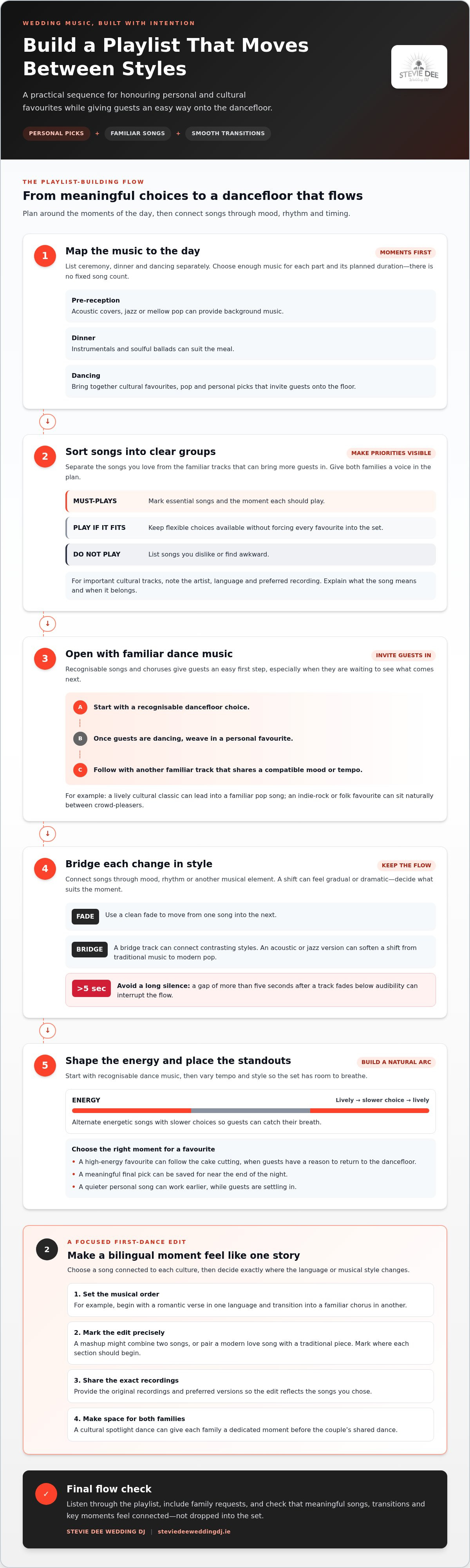
A wedding dancefloor can move across musical styles without losing its flow. The key to mixing music genres at a wedding is to connect cultural favourites, bilingual first-dance choices and familiar crowd-pleasers through thoughtful song order and smooth transitions.
It’s natural to want the music to reflect your story and the people celebrating with you. A well-planned set can honour different cultures, make room for personal favourites and give guests an easy way onto the dancefloor.
Learn how to shape a bilingual first dance or mashup, balance meaningful picks with familiar songs, and build a playlist for different ages and tastes. Experience with cultural genres matters: understanding a song’s significance helps each choice feel considered, rather than dropped into the set. With a clear plan for the day’s moments and moods, the music can flow from heartfelt to high-energy and bring everyone into the celebration.
Table of Contents
1. Creating bilingual first dances and musical mashups
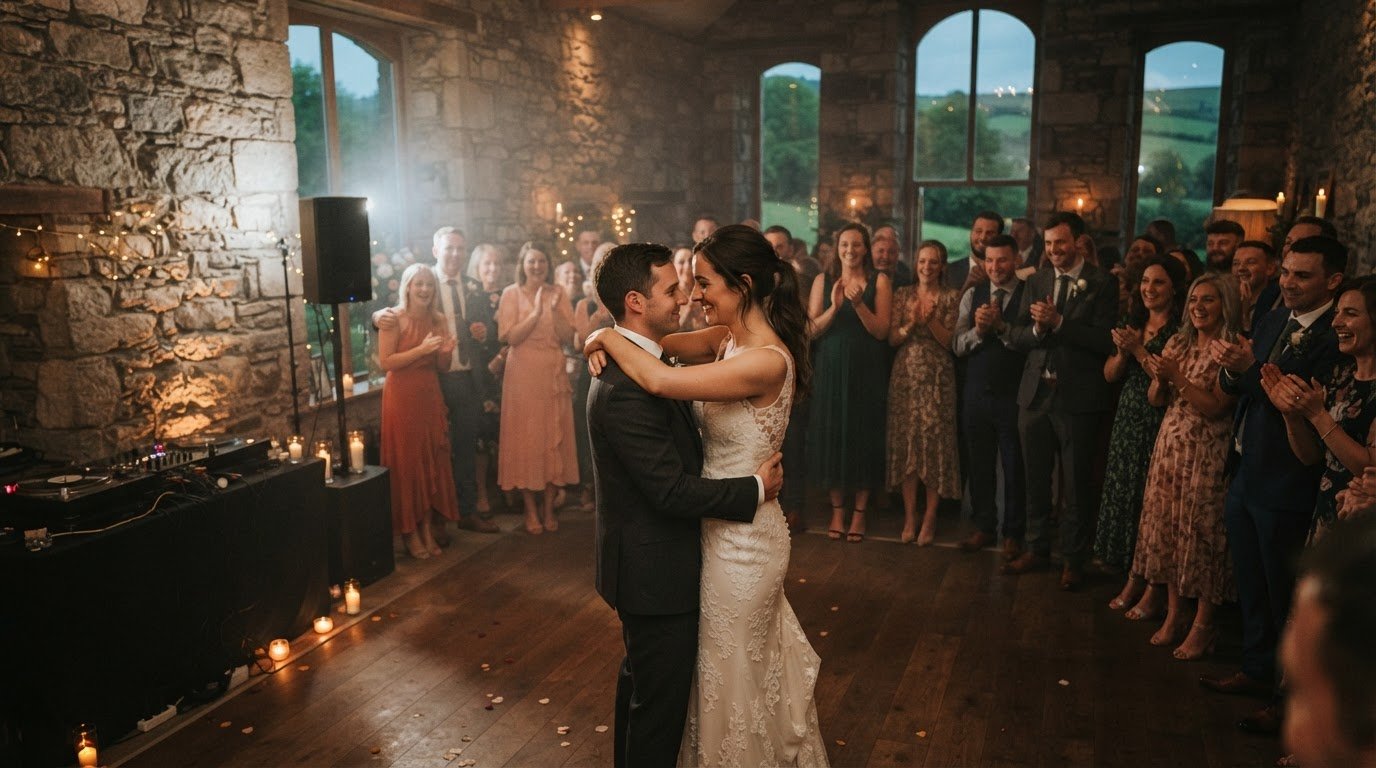
A bilingual first dance can bring two family traditions together in one memorable moment. Choose a song connected to each culture, then decide where the language or musical style should change. For example, begin with a romantic verse in one language and transition into a familiar chorus in another. A cultural spotlight dance can also give each family a dedicated moment before the couple’s shared dance.
Keep the edit focused on the story, not the number of tracks. A mashup might combine two songs, or pair a modern love song with a traditional piece. Mark exactly where each section should begin, and agree whether the change should feel gradual or dramatic. Share the original recordings and preferred versions so the edit reflects the songs you chose.
How many songs should be included in a wedding playlist? There’s no fixed song count. Build the selection around the planned music duration and the moments it needs to cover. List ceremony, dinner and dancing separately, then choose enough songs for each part without forcing every favourite into the set.
How do you transition smoothly between music genres at a wedding? Connect the mood, rhythm or another musical element, then use a clean fade or a bridge track. An acoustic or jazz version can soften a shift from a traditional song to modern pop. Avoid a long silence: a gap of more than five seconds after a track fades below audibility can interrupt the flow.
To build momentum, start with recognisable dance music, then vary the tempo and style. Follow a lively cultural classic with a familiar pop track, or alternate energetic songs with slower choices so guests can catch their breath.
How far in advance should you share wedding music preferences with a DJ? Share them while shaping the music plan. Include must-plays, songs to avoid, language preferences and the order of key moments. This gives you time to plan transitions and any first-dance edit.
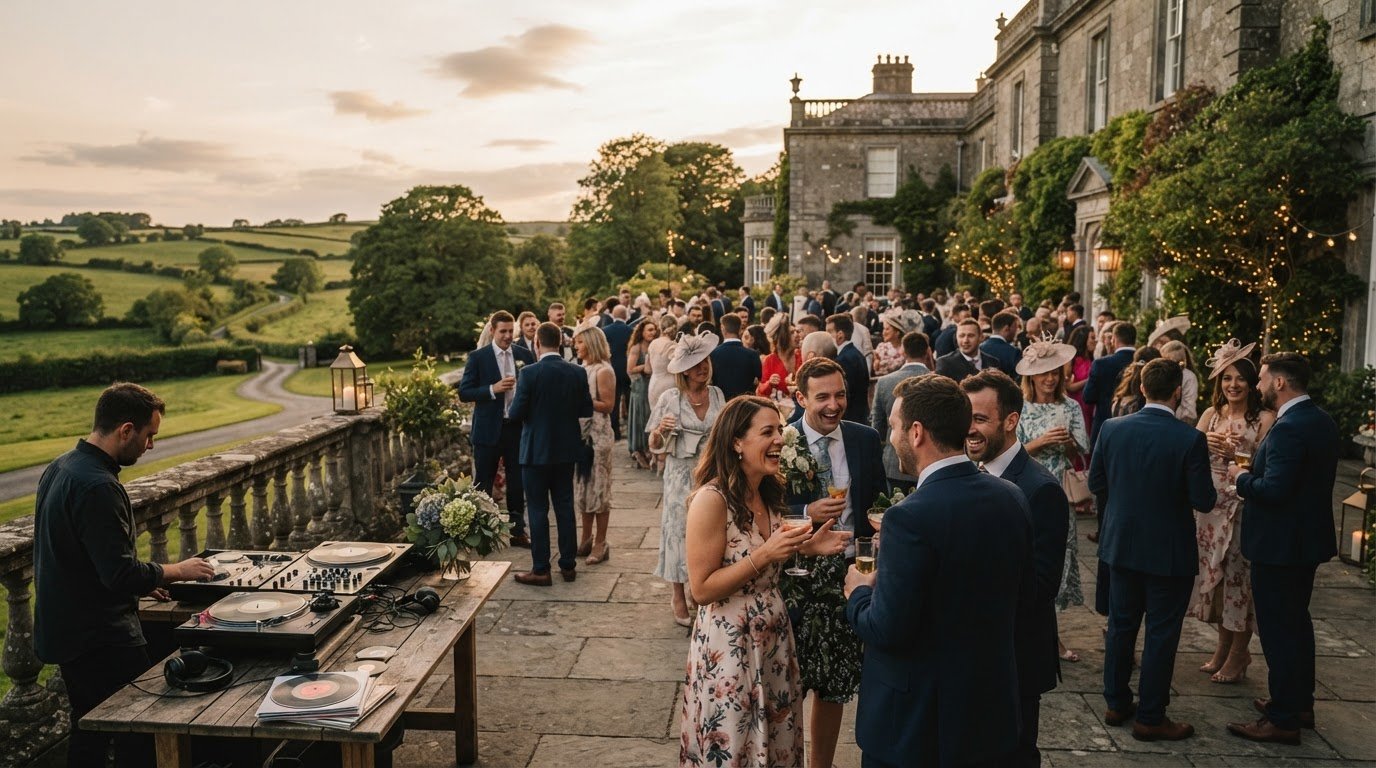
What music genres work well for the ceremony, dinner and dancing? Acoustic covers, jazz or mellow pop can provide background music during the pre-reception; instrumentals and soulful ballads can suit dinner. For dancing, combine cultural favourites, pop and other personal picks that invite guests onto the floor.
2. Choosing a DJ or band experienced in cultural genres
A playlist can include Irish traditional music, Afrobeats, Bollywood hits or several styles, but cultural context matters as much as track selection. Look for experience with weddings that brought different musical traditions together. Ask prospective DJs or bands for examples of multicultural celebrations they’ve worked on, then discuss how they approached the music and the moments around it.
Use the conversation to see how your preferences can become a coherent set. Bring a short list of songs that matter to each family, including the artist, language and preferred version. If a traditional song has several recordings, identify the exact one you want. Explain whether it belongs during a family entrance, a spotlight dance or open dancing.
Ask for examples of multicultural weddings and the genres included.
Describe the cultural meaning of key songs and when they should play.
Share must-play and do-not-play choices from both families.
Discuss how the set can move between styles without losing its energy.
Listen for practical questions in response. Discussing whether a track should play in full, which version to use and what should follow shows how specific the plan can be. For example, a lively traditional selection might lead into a familiar pop song, while a quieter family moment may need space before the next dance track.
Experience involves more than knowing genres. It means understanding your priorities, respecting the meaning behind the music and arranging the evening around them. Share the order of important moments, names or pronunciations that need care, and any songs that should stay untouched. Those details help prevent a meaningful track from becoming an awkward surprise.
If you’re shaping a set around distinct musical traditions, include those details in your wedding music planning. A clear conversation about songs, context and timing gives the DJ or band a practical starting point for a celebration that feels personal to both families.
3. Balancing personal favourites with crowd pleasers
Your wedding playlist should sound like you while giving guests clear invitations to join in. When mixing music genres at a wedding, start by sorting songs into three groups: personal favourites, familiar dancefloor choices and tracks you’d rather avoid. For example, a couple might keep an indie-rock anthem close to their hearts, then follow it with a well-known pop favourite that gets more guests moving.
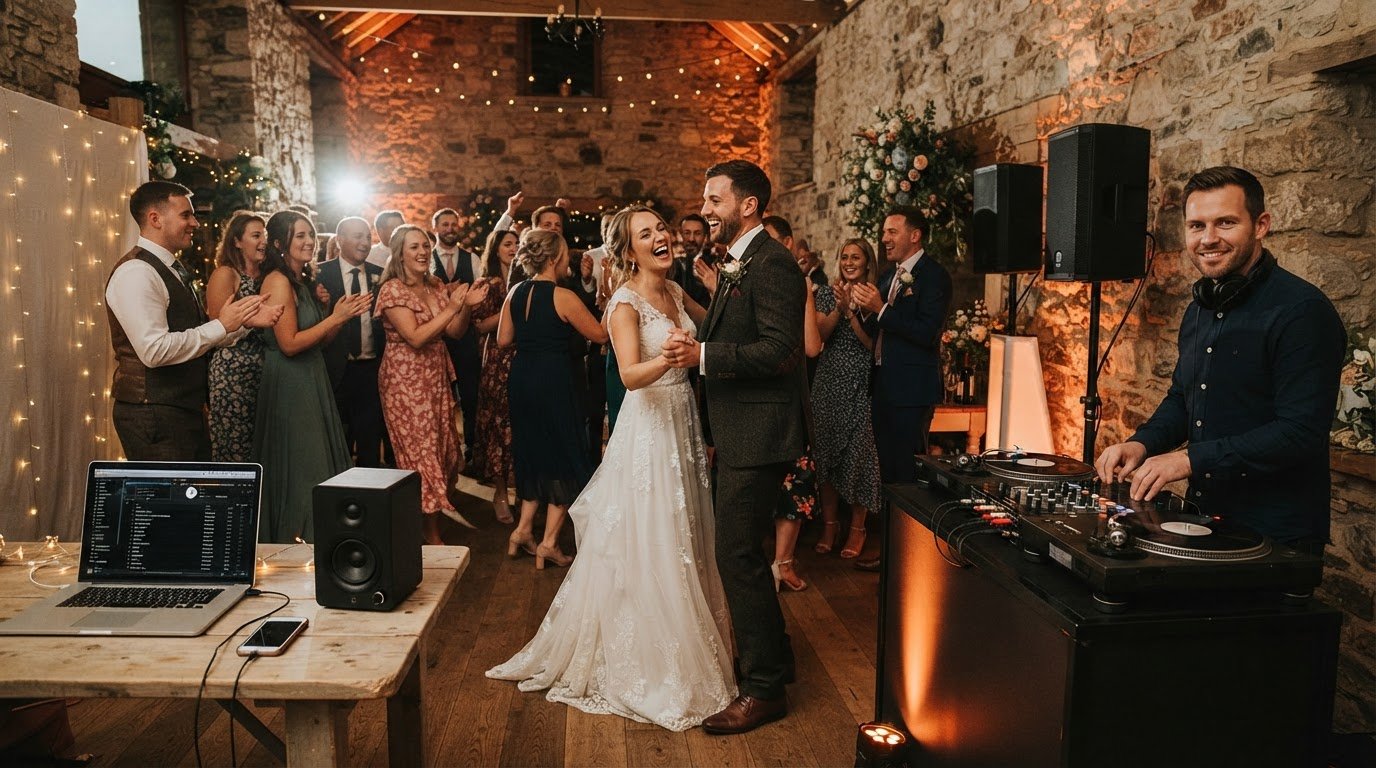
Use familiar songs to open the dancefloor. Recognisable choruses give guests an easy first step, especially if they’re waiting to see what music comes next. Once people are dancing, introduce a personal pick between crowd-pleasers. A favourite folk song, for instance, can feel like a natural part of the evening when it follows a track with a similar tempo or mood.
Mark essential songs clearly, including the moment each one should play.
Separate “play if it fits” choices from must-plays.
Add a do-not-play list for songs you dislike or find awkward.
Place personal favourites beside familiar tracks with a compatible mood.
Timing can make a treasured song more memorable. Save a high-energy favourite for after the cake cutting, when guests have a reason to return to the dancefloor. Or keep a meaningful final pick for near the end of the night. A quieter personal song can work earlier, while guests are still settling into the celebration.
Consider contrast as well as compatibility. A slower favourite can give dancers a breather after an energetic run, while a lively crowd-pleaser can rebuild momentum. For example, place a soulful ballad between upbeat pop and a dance track rather than grouping every slow song together. This creates variety without making the set feel random, a useful principle for mixing music genres at a wedding.
Share the list with clear notes, not just song titles. Add the artist, preferred version and any timing preference for each key track. This distinguishes must-plays from optional requests, leaving room to adapt the order and keep the dancefloor moving.
4. How to Plan a Wedding Playlist for All Ages
A playlist for different generations needs more than songs from several decades. Choose tracks with recognisable melodies, varied styles and different energy levels. For example, pair a nostalgic classic older relatives know with a modern pop song younger guests recognise. Familiarity can draw guests onto the floor, while variety keeps the set from feeling predictable.
Build the selection around the people attending, not assumptions about age. Ask both families for must-play songs, then invite guests to suggest tracks through a request section on the wedding RSVP. A parent might nominate a favourite from their youth; a cousin could add a current dance hit. Review the requests together and keep the choices that suit your celebration.
Include songs from different decades and genres.
Add nostalgic favourites that guests can sing or dance along to.
Collect suggestions from both families and wedding guests.
Mark requests as essential, optional or unsuitable for the dancefloor.
Next, listen to the playlist straight through. Notice whether a shift from an older soul track to contemporary pop feels natural or needs a different song in between. Check the order as well as the individual choices: a familiar, upbeat track can open the dancefloor, while slower songs give guests a breather between energetic runs.
Timing matters, too. A song that suits dinner may feel out of place during dancing, even if guests love it. Separate selections by part of the day, then ask your DJ for advice on song choices and timing. They can help place a nostalgic singalong where it lifts the room instead of interrupting the evening’s momentum.
Keep the final list flexible, with clear notes about preferred versions and key moments. To bring generations and musical tastes together in one considered plan, start planning your wedding music.
Stevie Dee Wedding DJ: Full Night Wedding DJ
Stevie Dee Wedding DJ can bring your cultural selections, personal favourites and crowd-pleasers together with its Full Night Wedding DJ service. It’s a natural fit when you want one considered music plan to carry the celebration from the first dance through the evening’s dancing.
Share the songs that matter to you, the styles you want represented and any tracks you’d rather avoid. This gives the music plan clear direction while leaving room to respond to the dancefloor. For celebrations abroad, the Destination Wedding DJ service offers a relevant option. Professional MC Service can also support announcements and transitions.
If you’re ready to discuss music for your celebration, contact Stevie Dee Wedding DJ.
Give your wedding soundtrack a clear direction
Your music plan can be more than a collection of songs. Use it to welcome guests, honour your families and build towards the dancefloor. Decide what you want people to feel at key moments, then let those intentions guide the final choices. That gives every genre a place in the story, rather than making the evening feel like a sequence of unrelated tracks.
Thoughtful mixing music genres at a wedding starts with your priorities. Bring your cultural traditions, favourite songs and desired atmosphere into one conversation. Stevie Dee Wedding DJ offers a Full Night Wedding DJ for couples planning the evening’s music, a Destination Wedding DJ for celebrations abroad, and a Wedding Celebrant Service for couples seeking celebrant support.
Take the next step and discuss your wedding music plans with Stevie Dee Wedding DJ. Your celebration can sound unmistakably yours, with a dancefloor ready for everyone.
Frequently Asked Questions
How do you mix different music genres at a wedding reception?
Connect genres through a shared mood, rhythm or recognisable musical hook. For example, follow a contemporary dance track with a song that has a similar beat, even if its cultural style differs. Group related tracks into short runs, then use a familiar crossover song to introduce the next sound. This gives the set direction while keeping the celebration’s different influences in the mix.
How do you balance guests' song requests with the planned wedding playlist?
Treat guest requests as suggestions, not automatic additions to the running order. Ask guests to include the artist and title, then sort each request by style and suitability for the moment. If several guests request the same track, flag it as a strong crowd choice. Leave out songs that clash with your preferences or the event’s tone, and let the DJ choose where suitable requests fit.
How do you avoid an empty dancefloor when changing music genres at a wedding?
Make each style change feel intentional, not sudden. Introduce a new genre after a familiar chorus, or use a crossover track to connect the sounds. Watch how guests respond: if a shift clears the floor, return to a recognisable favourite before trying another transition. An MC can introduce a cultural dance moment, give guests context and invite them to join, rather than leaving them unsure what comes next.
Comments